Site diary · Openings · 4 min read
Radford Mill · week 1 of 2
What a structural opening actually costs
Knocking two rooms into one is rarely the beam that costs the money. It is the temporary support, the padstones, and the making good nobody quotes for.
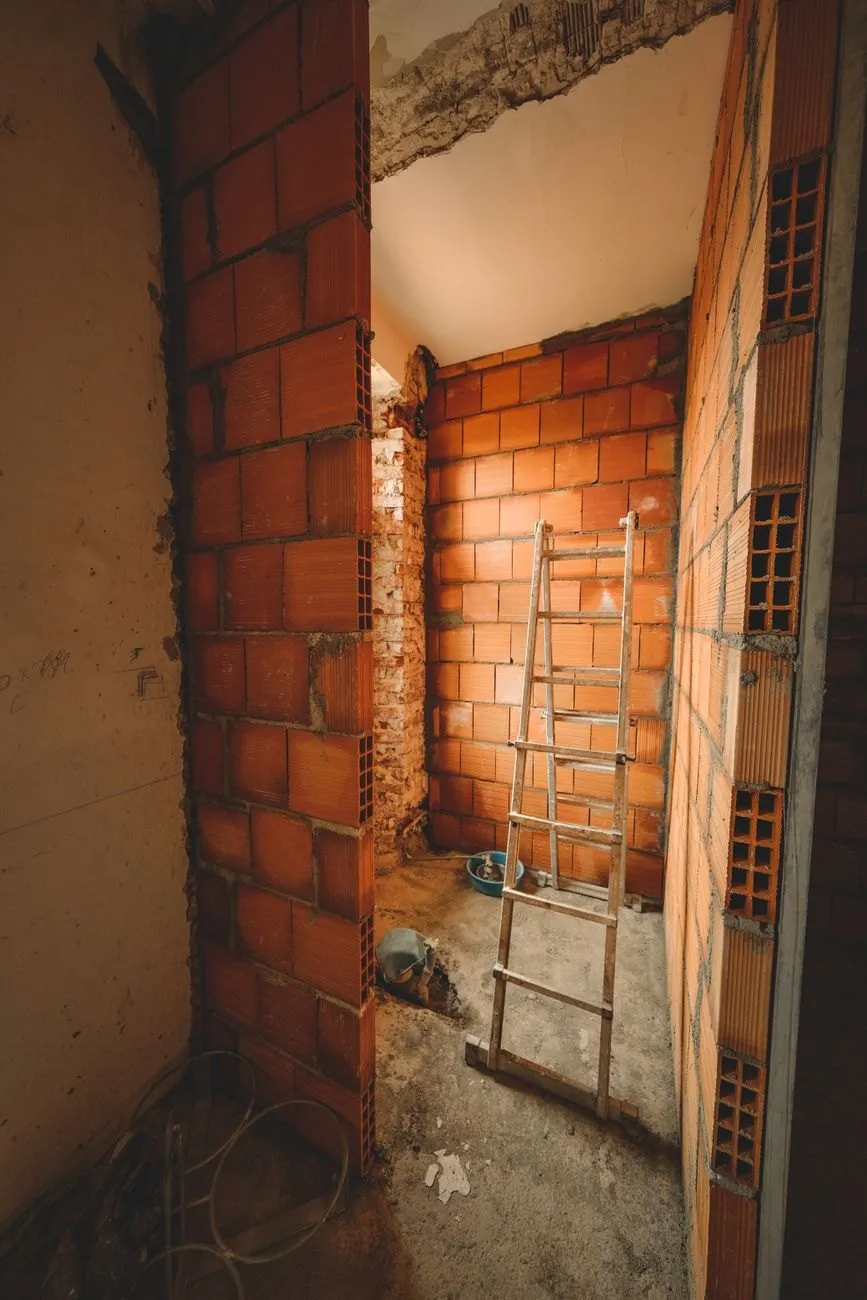
The question we get most is some version of “how much to knock this wall through?” The honest answer is that the wall is the cheap part. Here is where an opening actually spends your money, roughly in order.
Temporary support
Before anything comes out, the load above has to go somewhere. On a load-bearing wall that means needles or a strongboy propping system, sized to hold the floor, the wall above and often a roof while the opening is formed. It is a day of careful work that leaves nothing to show for itself, and skipping it is how ceilings end up on floors.
The beam is the easy bit
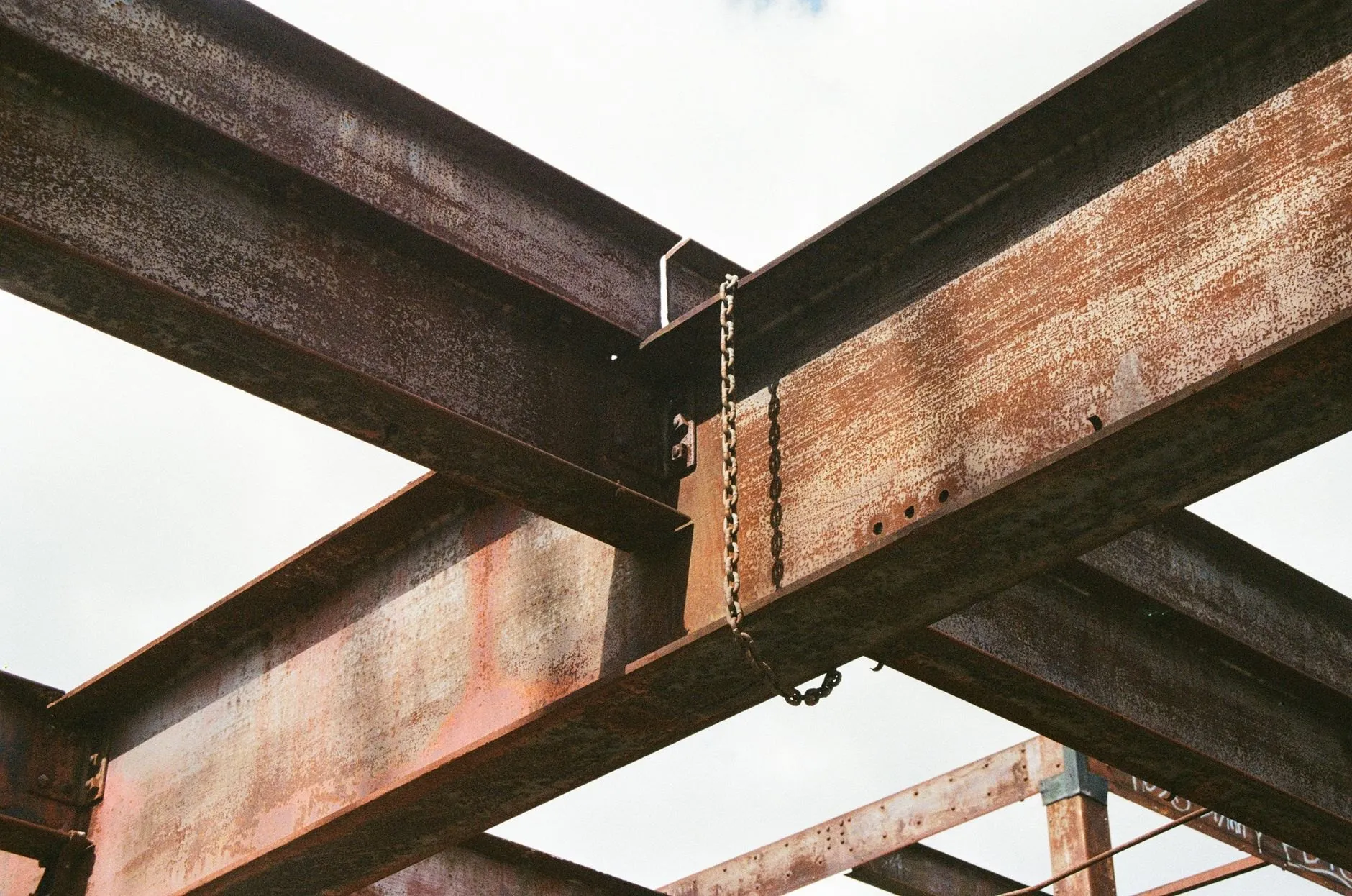
A rolled steel beam to span a domestic opening is a known quantity: the engineer sizes it, the merchant cuts it, we lift it in. On a typical four-metre opening the steel itself is a small fraction of the job.
Padstones and bearings
The beam lands on padstones, engineered blocks that spread its load into the masonry below without crushing it. Get the bearing wrong and you have moved the problem, not solved it. Building control will want to see the padstones and the props before they sign it off.
Making good
Then the part nobody quotes cheerfully: plastering the reveals, levelling the floor across the old wall line, matching skirting and cornice, and taking away a skip of rubble. On most openings this is a bigger number than the steel.
A realistic opening is the support, the steel, the bearings and the making good. Anyone quoting only the beam is quoting a quarter of the job.
So what does it cost?
A four-metre opening in a load-bearing wall, fully made good, is usually £7,000 to £8,500 including VAT. Try the estimator for your span, then book a visit and we will scope it properly.